
From Design to Validation, with BRAM-COR Technologies
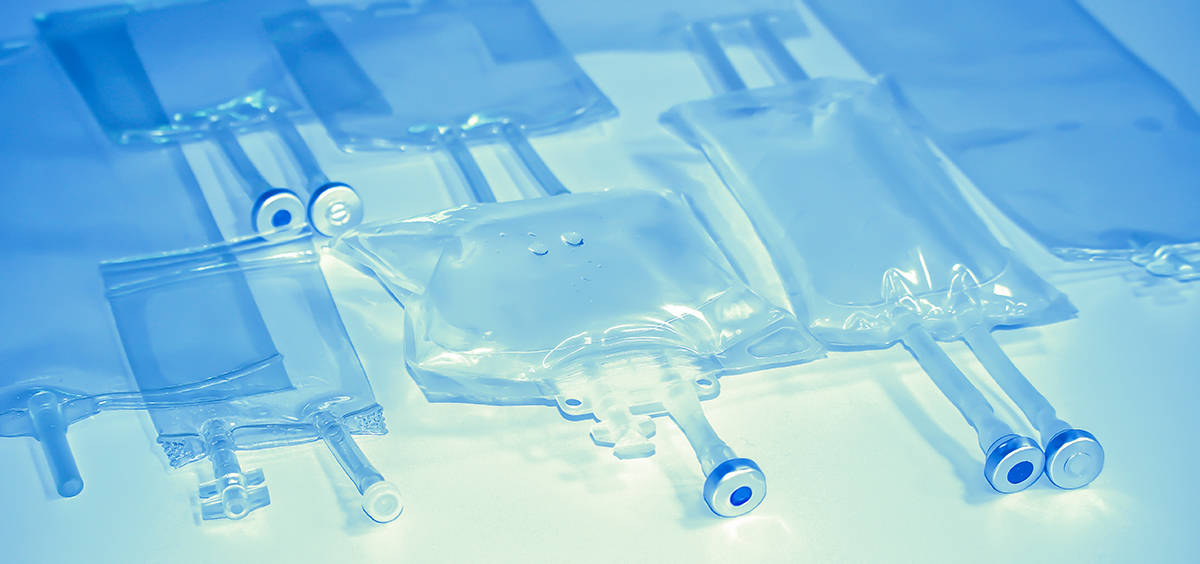
Thanks to a fruitful experience in many branches of making pharmaceuticals, BRAM-COR SPA has matured a coherent path, able to face meaningful business opportunities for customers who wish to diversify or set up production lines of parenteral solutions, both for bags and for bottles, within turnkey or segmented projects, including Total Parenteral Nutrition.
For instance, the video below shows Bram-Cor TPN plants for formulation, preparation and filling of three-chamber bags.
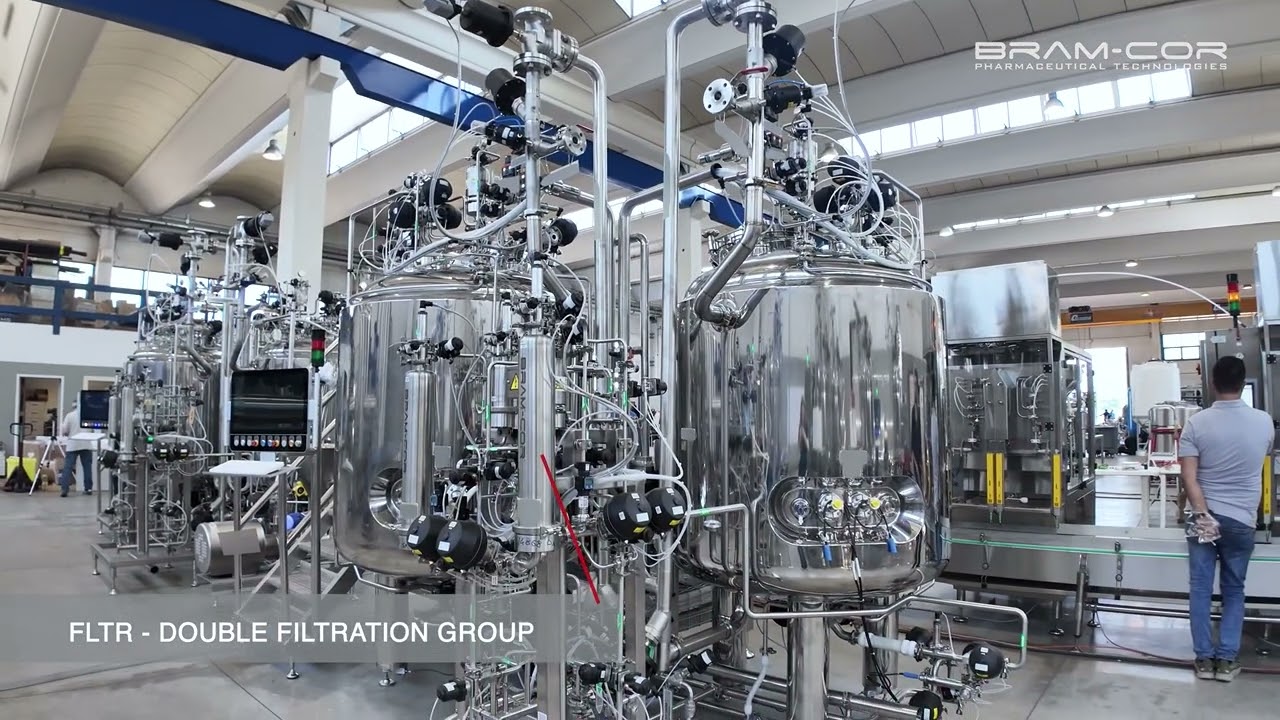
Our specific knowledge begins from water and from its transformation into a basic element for the pharmaceutical process, with a trouble-free production stages in storage and distribution, processing and filling. As a result, this holistic vision is a key strategy to obtain flexibility, efficiency and convenience in small or large volume parenterals, and in a wide range of products:
- STANDARD IVF & ELECTROLITES
- DIALYSIS SOLUTIONS
- TPN (Total Parenteral Nutrition)
- SPECIAL SOLUTIONS
In our turnkey offers we usually exlude those items that can be procured locally at reasonable prices by the customer itself (like land, buildings, black utilities, …). Of course we therefore provide, on demand :
- Advanced Know How Transfer for additional IV solutions, TPN, etc.
- Post-Start up assistance
- Raw Materials and Consumables
- Black Utilities
A broader view of Parenteral Manufacturing
SVPs and LVPs should ultimately be considered within the broader ecosystem of parenteral pharmaceutical manufacturing. This ecosystem includes:
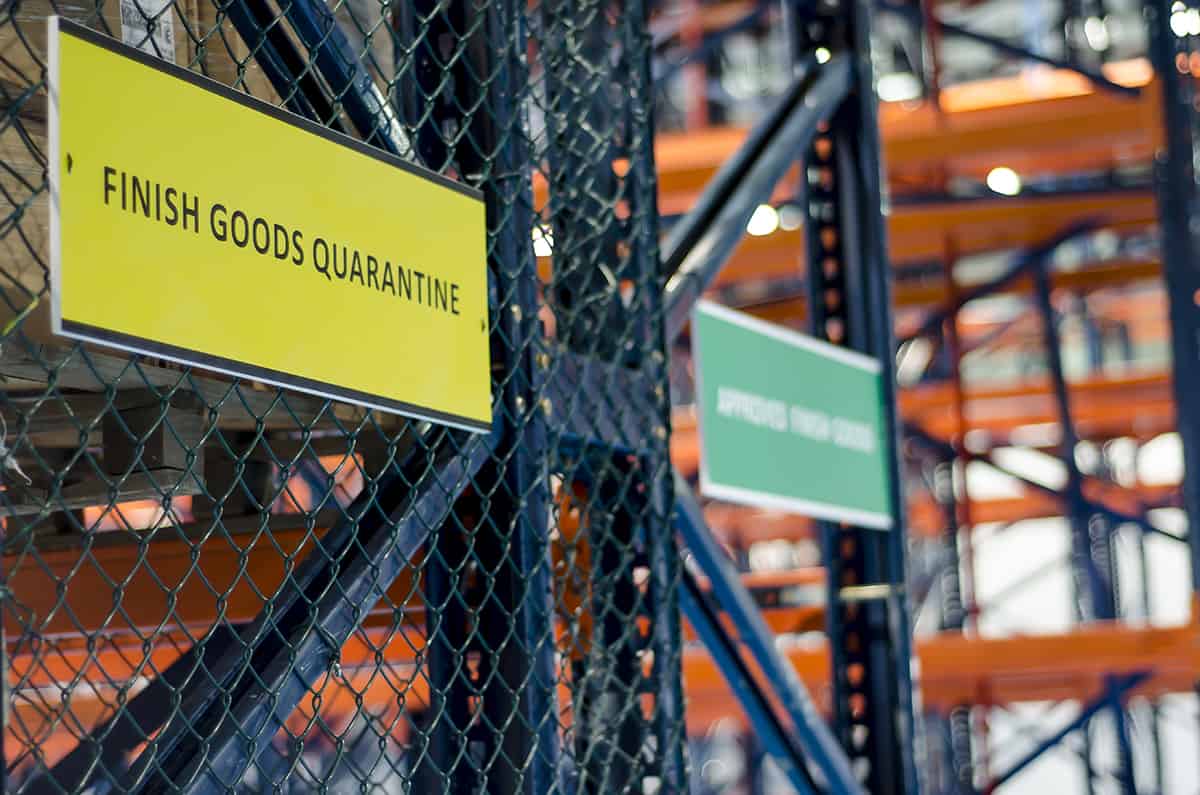
Pharmaceutical Water → Formulation → Compounding → Filtration → Filling → Sterilization → Container Closure → Inspection → Packaging
Each stage contributes to the quality and safety of the final pharmaceutical product. Understanding the relationship between these stages is essential when designing a manufacturing facility, selecting process equipment, and defining the pharmaceutical utility systems required to support production.
SVP and LVP: two related categories
Small Volume Parenterals and Large Volume Parenterals belong to the same broader family of sterile pharmaceutical preparations, but they are associated with different product characteristics and manufacturing requirements. Both require careful control of formulation, pharmaceutical water, microbiological quality, sterilization or aseptic processing, filling, container closure, and environmental conditions.
However, the production of Large Volume Parenterals introduces specific challenges associated with the preparation, handling, filling, sterilization, and distribution of significantly larger quantities of pharmaceutical solution. For manufacturers of intravenous fluids, these requirements make the integration of pharmaceutical water systems, process equipment, sterilization technologies, and production systems particularly important.
| Small Volume Parenterals (SVP) | Large Volume Parenterals (LVP) | |
|---|---|---|
| Typical volume | ≤ 100 mL | > 100 mL |
| Typical applications | Injection, dilution, specific therapeutic applications | Infusion and administration of larger volumes; Total Parenteral Nutrition |
| Common containers | Vials, ampoules, syringes, cartridges | Bottles, bags, and large-volume containers |
| Formulations | Solutions, suspensions, emulsions and others | Predominantly aqueous solutions, with specific applications varying by product |
| Manufacturing requirements | Highly dependent on formulation and packaging | Highly dependent on formulation, volume and process scale |
| Production scale | Generally smaller product volumes | Often designed for large-volume production |
The distinction between SVP and LVP should therefore not be understood solely as a difference in container size. Each category can involve different process configurations, filling technologies, sterilization strategies, and production scales. Therefore, Large Volume Parenterals represent a specific area of pharmaceutical manufacturing in which process engineering and pharmaceutical utility systems play a central role.
Characteristic values
Parenteral drugs are formulated as solutions, suspensions, emulsions, liposomes, microspheres, nanosystems, and powders to be reconstituted as solutions. Consequently, parenteral dosage forms are different from any other type of pharmaceutical products for some characteristic values:
• The final products must be sterile, with no exception.
• The product, anyway, must be free from pyrogenic contamination.
• All the injectable solutions must be free from visible particulate matter.
• All products must be chemically, physically and microbiologically stable throughout the whole shelf life.
Naturally, parenterals dosage forms must be compatible, whether applicable, with intravenous diluents, delivery systems, and drugs co-administered.
Primary Standard IVF & Electrolites
- NaCl 0,18 – 2.7%
- Glucose 2,5 – 50%
- Sodium Lactate (Hartmanns’s) Solution
- Ringer Lactate
- Water for injection
- Sterile Water for Irrigation
- Sodium Chloride 0.9% for irrigation
- Sodium Chloride 0.18 – 0.45% and Glucose 4 – 10 %
- Potassium Chloride 0.15 – 0.3% in Sodium Chloride 0.9%
- Potassium Chloride 0.15 – 0.3% in Glucose 5%
Primary Dialysis Solutions
- Priming Solution
- Haemodialisys Concentrate
- Pre-mixed Heparin
Primary TPN (Total Parenteral Nutrition)
- Glucose
- Aminoacids
- Fat Emulsion
Primary Special Solutions
- Paracetamol
- Plasma Expanders
- Mannitol
- Lidocainje hydrochloride 0.4% and glucose 5%
- Sodium bicarbonate 1.26 – 4.2%
- Phosphate IV solution
- Metronidazole
- Ciprofloxacin
- Levofloxacin
- Fluconazol
Visit the dedicated page on this site for SVPs
Visit the dedicated page on this site for LVPs
Visit the dedicated page on this site for TPN: Total Parenteral Nutrition Plants
For a broader introduction to WFI production and the critical issues associated with pharmaceutical water systems, visit waterforinjection.com.
- Technical note by Bram-Cor engineering department · updated Oct 2026 – Data may change without notice.

© Bram-Cor SpA 2018-2026